
Written: JAnuary 10th, 2023
Content
- What is Interpersonal Communication?
- Non-verbal vs Verbal Communication
- How To Be A Good Communicator
- Why is I.C. Important in Veterinary Hospitals
- References

Author: Kacie Fowler
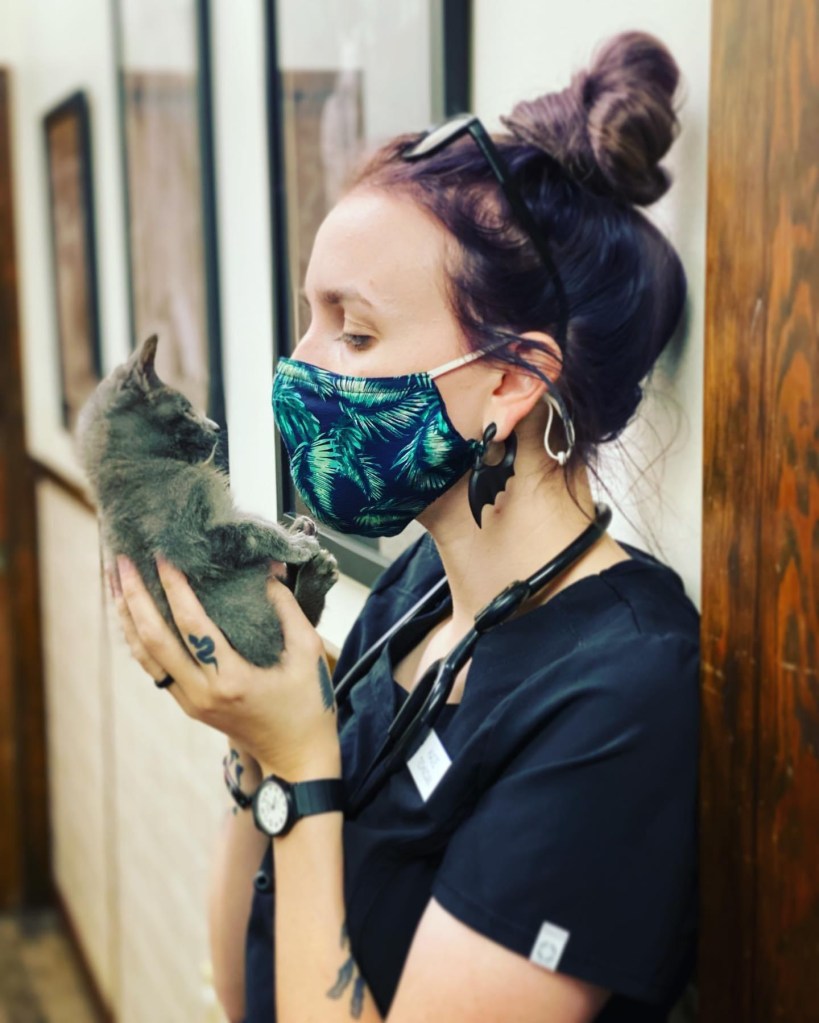
Interpersonal communication relates to the veterinary hospital setting in how we interact with clients and co-workers in a manner that supports strong communication. Knowing how to communicate well aids in client compliance, patient care, smoother work flow, and raised work moral.
There are our parts of the communication process. Understanding them will help you better your ability to work well with other, whether that be in a leadership position or as part of a team. The informational context of what is needing to be communicated from one individual to the other is termed, the message. The person with the message is the sender and the person the message is being communicated to is the receiver. These three parts create the setting for communication, but one of the biggest aspects of proper communication is the channel, or how the message is sent from one person to another (Bassert, et al, 2022). People learn in a copious amount of ways and it is important to acknowledge the differences from one person to the next. As not everyone communicates well with the same type of channel, or may need multiple channels to gain full understanding of the message, let’s look at what goes into being a good communicator.
There are several skills you must master individually to become good at interpersonal communication as a whole. They include being a proficient listener, speaker, and observer. Each of these rely on the understanding of verbal vs nonverbal cues and general biases and prejudices that everyone displays. Verbal communication refers to words that at actually spoken between individuals. Non-verbal communication refers to body language, facial expressions, gestures, and level of eye contact while either the sender or receiver is talking and listening. Verbal and non-verbal interactions are often communicated at the same time, can have far different meanings, and can even counteract one another. It is important to pay close attention to how someone holds themselves while they are receiving your message in order to gauge how well your message is being understood as w2ell as how you present yourself when speaking.
For example, if you (the sender) just told a client (the receiver) about the upcoming treatments their pet will need when they get home (the message) at the end of the visit and they said that they understand, but had a look of confusion on their face, it would be in both party’s best interst to clarify that they truly did understand your message. Even though the client said they understood, their facial expression made you think otherwise, so it would be best to double check with them, or ask if they need anything communicated differently, like written instructions. DePena stated in The Importance of Interpersonal Skills, “it is essential, especially when delivering or receiving medically pertinent information, that we communicate effectively and listen actively…” as not being thorough with clients or even our coworkers, we can seriously jeopardize the care of our patients (DePena, 2019).
Self-awareness plays a major role in how we can improve our communication in both the work place and out. If we can acknowledge how to recognize nonverbal indicators in others, then we can have a better understanding of how our own are perceived. Being self-aware also applies to when we are sending a message. If you were telling your team that today is going to be really fun and full of exciting events, but you had your arms crossed and furrowed brows, then your message would not be received clearly. Most people who can read non-verbal cue do so subconsciously, meaning that even if your coworkers do not know why they do not trust what you are saying about the fun day, their brain has picked up on your nonverbal and let them know that they do not match what you are saying verbally. Creating distrust and unease.
We must also be aware of our own biases and prejudices. It can be difficult to overcome natural biases and prejudices that we may have subconsciously set on a particular type of person whether its from how they look, talk, or act. It is important to acknowledge cultural differences and to not assume that non-verbal cues mean the same to everyone as they do to you. As, “patient safety is profoundly influenced by cognitive biases and language, i.e. how information is presented or gathered…” it is our upmost responsibility as veterinary nurses to be sure our client and coworkers fully understands any instructions pertaining to the safety and care of our patients, no matter how long it takes or in how many ways we must communicate our message (Crock, et al. 2022).
A major part of good communication is about being a good listener. Do not listen to respond, listen to understand what the sender’s message is and why they are saying it. To avoid misunderstandings, reiterate back to them what you understand of the situation to confirm the sender’s message. The receiver should feel comfortable enough to ask questions or for clarification. This prevents miscommunication and mistakes based on human error before they can happen. In order for both parties to have that confidence to clarify, there needs to be trust built. Have open and honest conversations and never make someone feel inadequate for not understanding something the first time, especially if it was poorly communicated or communicated in a way in which the receiver struggles with.
There are three main points to why having good communication skill is vital to working in a veterinary hospital. The first and foremost is patient care. It is best to communicate aspects of a patient’s treatment plans in various types of ways. Written in charts, on treatment sheets, and using patient tracker boards give a visual of the plan to be executed which allows staff to referrence the treatments as often as needed. This type of communication works best for those visual learners. Verbal explanation of patient care is best for verbal learners, and can help clarify any misunderstandings before a mistake can be made. This is done during rounds, when shift change occurs and the nurse currently in charge of a patient, verbally communicates updates and treatments to be completed to the new nurse in charge of the patient. Having more than one way to communicate a patient care plan prevents miscommunication, misunderstanding, and assumptions that can lead to decreased patient care. The second factor is client-staff relationships. Trust is the key in creating a strong foundation for the client-vet relationship. If the client gets the feeling that you are not confident in the message being delivered, they will loose trust and not retain the information you are trying to communicate. This can even result in a client changing hospitals if they fully loose confidence in the staff and thus the care of their pet. When the owner trusts what you are saying, they are more likely to retain the information, which increases client compliance. The final factor, and most commonly overlooked one is staff-staff relationships. Having transparent communication with coworkers leads to a strong work relationship that is built on trust and professionalism. You do not have to like your coworker as a person, but it is important, for everyone, that you are able to work with them in a professional manor. The majority of negative work place feelings come from the inability for coworkers to communicate well with one another.
We have looked at the key factors of what an individual needs to learn in order to improve their interpersonal communication skills. An important note to take away is that it is not only being confident is what you say, but to also be mindful of how you say it. Understanding the components of clear and open communication as well as how to observe the response to your message is vital for proper communication. By improving your interpersonal communication abilities, you can serve your patients better care, improve client compliance, and create a more relaxed work environment for you and your coworkers.
References
Bassert, J.M., Beal, A.D., and Samples, O.M. 2022. McCurnin’s Clinical Textbook for Veterinary
Technicians and Nurses.Elsevier.
Crock, C., Dahm, M.R., and William, M. (2022). “More Than Words”. Interpersonal Communication,
Cognitive Biases, and Diagnostic Errors. Patient Education and Counseling, 105(1), 252-256.
https://pubmed.ncbi.nlm.nih.gov/34045088/ Retrieved on: December 28th, 2022.
DePena, M. (2019). The Importance of Interpersonal Skills. Heska.
https://www.heskavet.ca/article/the-importance-of-interpersonal-skills/ Retrieved on: December 28th,
2022.
Lee, J. (2017). The Importance of Communication Skills in Veterinary Medicine. VetGirl CE Blog.
https://vetgirlontherun.com/importance-communication-skills-veterinary-medicine-vetgirl-veterinary
continuing-education-blog/ Retrieved on: December 28th, 2022.
 Write. Read. Repeat.
Leave a comment