
Thinking of getting started in the field of veterinary medicine, but unsure of how it might go? What makes you nervous or hesitant? What makes you want to dive in?
All things to consider before making you decision. With any other career, especially in a medical field, there are many ups and downs, very high ups and very low downs.
Let’s talk about some of the things to expect.
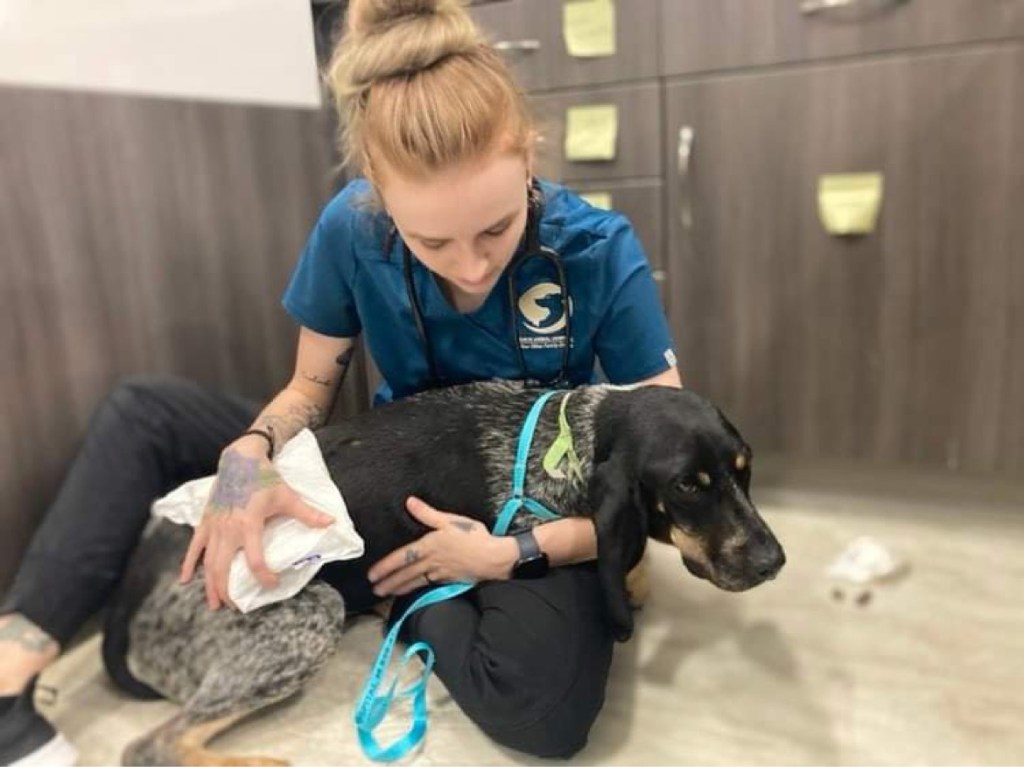
I want it noted that I can only speak on my personal experiences and those told to me by co-workers, everyone’s relationship and history with this field is respectfully different. I have about 9 years of professional animal experience, with 7 of them working in veterinary hospitals in Washington, Virginia, and Florida. In including volunteer work and school classes related to animal science, I have been working toward this career since early middle school.
Education and titles
Depending on what state you are working in and what position you are going for, the level of education and licensing needed will vary. If you are thinking of becoming a veterinarian, this post is not for you. I have never looked into it, but have had many friends over the years go through vet school. A brief for veterinarian, is that it take 4 years of undergrad, a minimum of 4 more years in a graduate program to earn your doctorate of veterinary medicine, then you pass your boards. Past that, there are residency and specialty options.
The title of Veterinary Technician or Nurse is typically reserved for those who have gone through an AVMA accredited school, earning either a license (LVT) after passing the VTNE (Veterinary Technician National Exam) or a certification (CVT). This title however, is state dependent. I am currently in school to become an LVT, so I worked as a veterinary assistant in the state of Washington and Virginia, but when we moved to Florida, the responsibilities and laws of that title changed. In Florida, my skill set and position changed my title to Veterinary Technician (later Nurse), though I am not licensed, with an assistant having less responsibilities than an assistant does in Washington or Virginia. Now, having moved back to Washington, I am called an assistant again. Yes, all quite confusing. After passing the VTNE, a technician has the option to peruse a specialty.
Veterinary Assistants typically do not have any schooling when they start work as it is considered an entry level position at some hospitals. There are schools for assisting, which is my highest level of completed education at the moment (two certificates in fact). Some are AVMA accredited and some are not, so if you are considering attending school prior or while you begin work, be sure to check for this accreditation. If you want to go onto a technician program, some will not acknowledge a non-accredited assisting program and you will have to repeat a lot of work.
Some hospitals, but not all, may also have the position of kennel attendant, the duties of which will be discussed next. This position has no schooling and is considered as an entry level position and a great starting point for people interested in the field with little to no animal experience.
Skills and job descriptions
This too will vary state to state, but more so hospital to hospital.
Veterinarians: the only ones who can give a diagnosis and prognosis, prescribe medications and treatments, and (in most states) must be the one to preform/start a major surgery. Again, this post is more for technicians and assistants, so if you are thinking about being a veterinarian, I suggest checking out one of the top vet schools in the US https://www.vet.cornell.edu/ for more information and program overviews.
Veterinary Technician/Nurse: not an easy list to compile and summarize as the responsibilities of a vet tech are vast and many will overlap to assistant depending on experience and specific hospital policy. In general, veterinary nurses: run anesthesia, preform dental cleanings and radiographs, collect laboratory samples, run laboratory tests, preform diagnostic imagine techniques, client education, assist the veterinarian in surgery, hospitalized patient care, run rooms, emergency and critical care medicine, fill prescriptions, carry out patient treatments, and everything in between.
Veterinary Assistants: again tasks will vary and potentially overlap with technicians, but they work to aid the veterinary technicians and veterinarians as well as cleaning, restraining patients, restocking the hospital, and basic patient husbandry. Now, many hospitals will utilize assistants in a greater capacity with the same tasks and skills listed above for the tech, but only within the legal bounds of that particular state. I have essentially done the same job in every state based off my job experience and schooling, its just the title that has changed.
Kennel Attendants: not all hospitals will have this position, but it is the most basic entry level spot on the hierarchy. It is a great place to start if you are unsure if this is the field for you as you get to see day-to-day activities first hand. People in this position will do the majority of cleaning and non-medical maintenance for the hospital like dishes, laundry, cleaning cages and runs, and in some places, help with restraining patients for an assistant or technician.
Average day
What your average day will look like, depends on your hospital type (general practice vs specialty and small animal vs large animal vs exotic), your job position, and your position in the the hospital. All hospitals will have doctors seeing patients in exam rooms and provide medical care in some capacity. To facilitate this, in brief, the tech/assist will take a medical history of the patient from the owner and relay it to the doctor. The tech/assist will typically then, assist the doctor in the physical exam, then carry out the care plan, set by the doctor. If you are a “room tech/assistant” (for the day or always) then this will occur every appointment interval for the day. Some techs/assistants will be assigned to different departments, either for the day or exclusively, such as surgery, dentistry, in-patient care, urgent/prompt care, “float”, or other.
General overview of what that may look like:
-Surgery: Preparing the surgical suite and kennels for the patients on the surgery schedule for the day, patient intake paperwork and vitals, assist in pre-surgery exams by the doctor, sedate the patient, surgical prep of the patient, monitor anesthesia and/or assist the doctor peri-operative, patient recovery and post-surgical monitoring/care, and patient discharge back to the owner.
-Dentistry: Similar to surgery, but the legally allocated level of involvement in the actual dental procedure does vary drastically by state.
-In-Patient Care/“Float”: or any other name for a person who helps where needed during the day in any department. They will typically be the one monitoring hospitalized patients and/or carrying out “tech/nurse appointments” (if that is a service the hospital provides). This can be both a very exciting position, as you never know what you will be doing, or a very stressful position, as you typically get pulled in a million different directions. Most people have a love-hate relationship with the “float” position, I personally love it.
-Urgent/Prompt Care: I have worked at facilities that have a specific, same-day, urgent care team and others that have designated staff that will be the ones to respond to an emergency if it arises. Those in the latter category are otherwise scheduled in different departments, though typically they are the in-hospital care/“float” techs/assists. Most hospitals will have who ever can respond to the emergency respond, but having a team on stand-by provides a more ready response, smoother patient care, clearer client communication, and prevents the rest of the team from getting behind.
Negative, drawbacks, and downsides
Many people may think that vet staff gets to play with puppies and kittens all day, but this is unfortunately not the case. There is a multitude of negatives, drawbacks, and downsides to working in this rollercoaster of a field. I would break this category into a few sections, but again, everyone’s experience is different:
-The Inevitable: with any medical profession, there are things that are out of anyone’s control. In veterinary medicine this is commonly seen in non-preventable conditions like age-related changes, cancer, congenital and genetic factors, and accidents. The vast majority of pet owners will do everything right by their pet, but the worst cases are those that can not be predicted or prevented. An important factor in these cases is to remember that they truly are unpreventable.
-“Difficult Clients”: now this for me, is the hardest part of the job. The “difficult client” can range from financial constraints to out right screaming in your face and violence. I have been fortunate enough to have only been screamed at, but I know other vet professionals have been physically attacked by clients. Even though this is rare, it is important to be aware of potentially dangerous situations and how to identify signs of escalation in a client’s anger. More than not, these clients are angry at themselves or the situation in general, but choose to take it out on us as we are the ones that have to deliver bad news or confront them on the state of their pet. I am not a psychologist by any means, but if you feel unsafe in a situation with a client, remaining calm, politely excusing yourself, and discussing the situation with your manager is the safest way to protect yourself. For the clients on the lesser end of this spectrum, commonly those with financial constraints, it is important to understand their side of the situation and do what you and the veterinarian can to advocate for the patient and help the client with financial aid support without judgement. We cannot assume the reason for someone’s actions. Remember that they chose your hospital to bring their pet to, making them feel guilty or shameful will only prevent them from seeking help again. A post on financial aid options for pet parents to come.
-Staff to Staff Issues: this is a topic I have been in countless times. Not saying that I am difficult to work with, it is just the fact that I stand up from my patients and myself. There is a connection between animal care and people who have difficulty working with others (to put it lightly) that I still have not fully figured out. Even my husband has noticed how much “drama” there is in every veterinary hospital I have worked in. I have seen best friends who decide to get jobs at the same place and through work, they have full out fights. I have seen strong people break down because of daily harassment from coworkers and even management. I have seen blame passed around like a cold, creating a larger issue than the initial problem was. The mental health of many veterinary professions is often unstable due to the field as a whole, “difficult clients” and more often, from the constant stress from these ‘aggressive’ coworkers. We have enough to deal with in this field that the interpersonal relationships and level of trust between coworkers needs to be the most stable part of work. Veterinary medicine relies heavily on teamwork and if this is lacking, then the hospital will be sure to fail.
-Work-Life Balance: not always a negative, if you can find the balance that is. Many medical professionals will tell you about the long hours and time spent at work in comparison to time spent out of the hospital. The hours worked will depend on your hospital, number of staff, willingness to work, and services offered. I have not worked overnight shifts, but have worked 12 hours plus days between general practice and after hour urgent care. Swing shifts are typically the hardest. My husband’s biggest complaint about my work is how often overtime and late nights occur. You may be scheduled 8am to 5pm, but that does not mean you get to work at 8am and leave at 5pm. Like most jobs, there are tasks that need to be done throughout the day to maintain the hospital and specific patient care on top of your specified position in the hospital. The importance of understanding what your responsibilities are and how to effectively manage your time, will help keep you from falling behind, resulting in late nights and/or working from home. Charting and returning client communications are the top two things that have created late nights for me. The other would be staying back to help out with task others have fallen behind on. This is where interpersonal communication and teamwork comes into play. Yes, I will always help a coworker, even if they are not my favorite person, but if the same person has consistent issues in completing their tasks, this can bring everyone down over time.
I would also like to mention that with the COVID pandemic, veterinary professionals have been hit with an influx of patients and a dramatic drop in staff. A post on this specifically to come, but it is important for pet owners to understand that their vet team has been stressed and tested like never before. Being kind, understanding, and having patience goes a long way in helping relieve some of their daily stress.
The positives
As to not end this on a low note, the amount of joy, happiness, and fulfillment I get from my job is indescribable. Watching pets grow up, helping clients through their pet’s care, the success stories, and all the snoot boopin are, to me, definitely worth the hardships. This field is not for everyone and I truly mean that. Though, if you do dive in, celebrate all of your highs and learn from your lows.
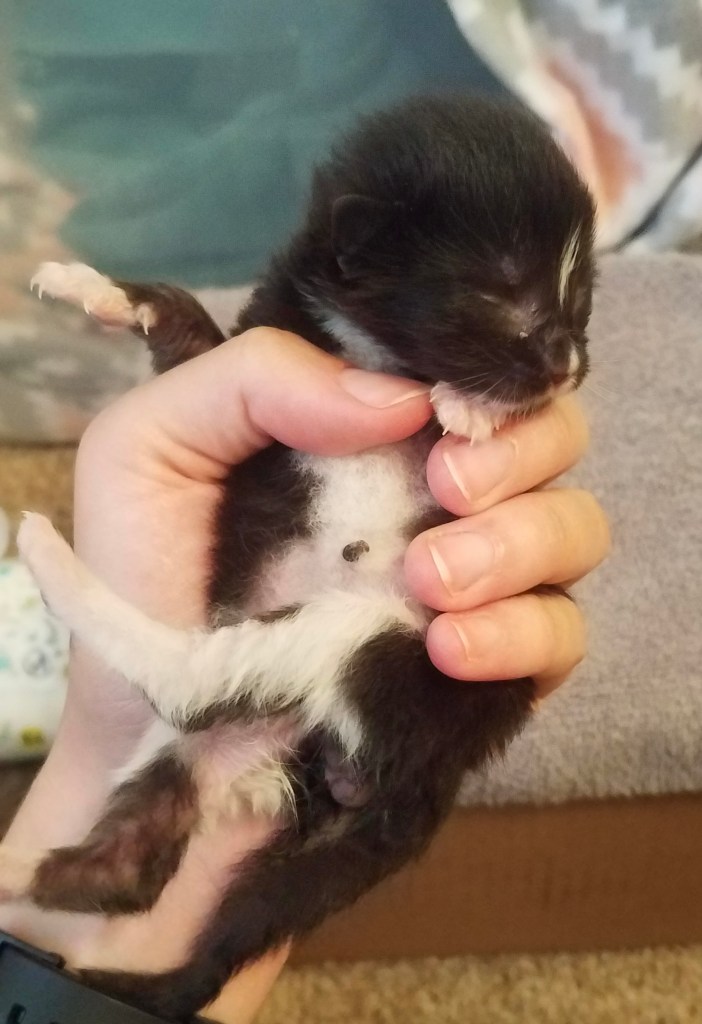
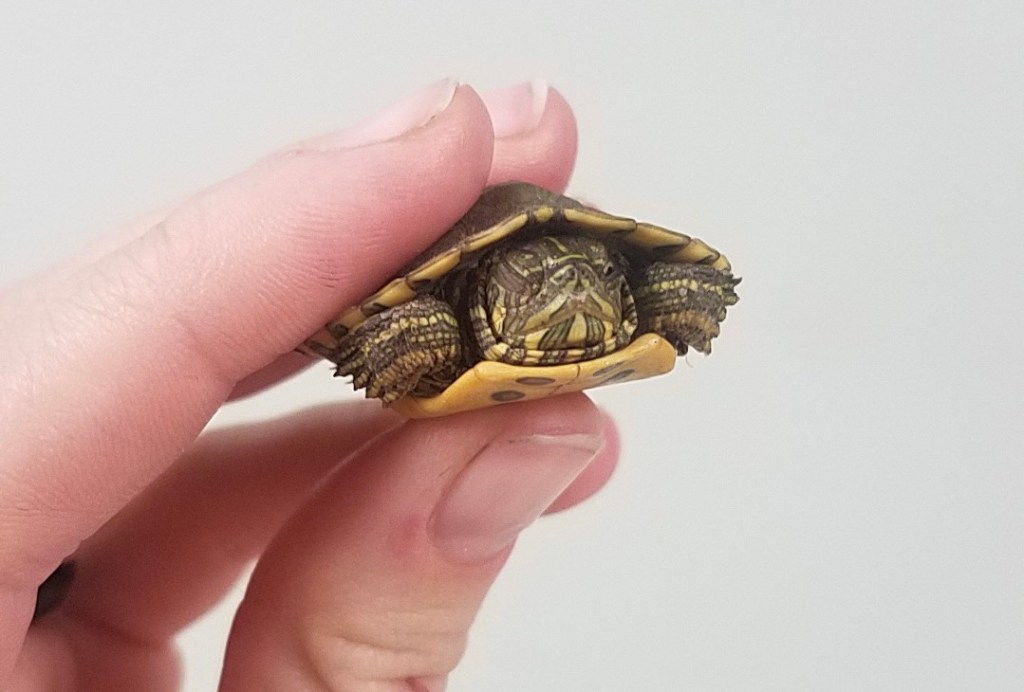
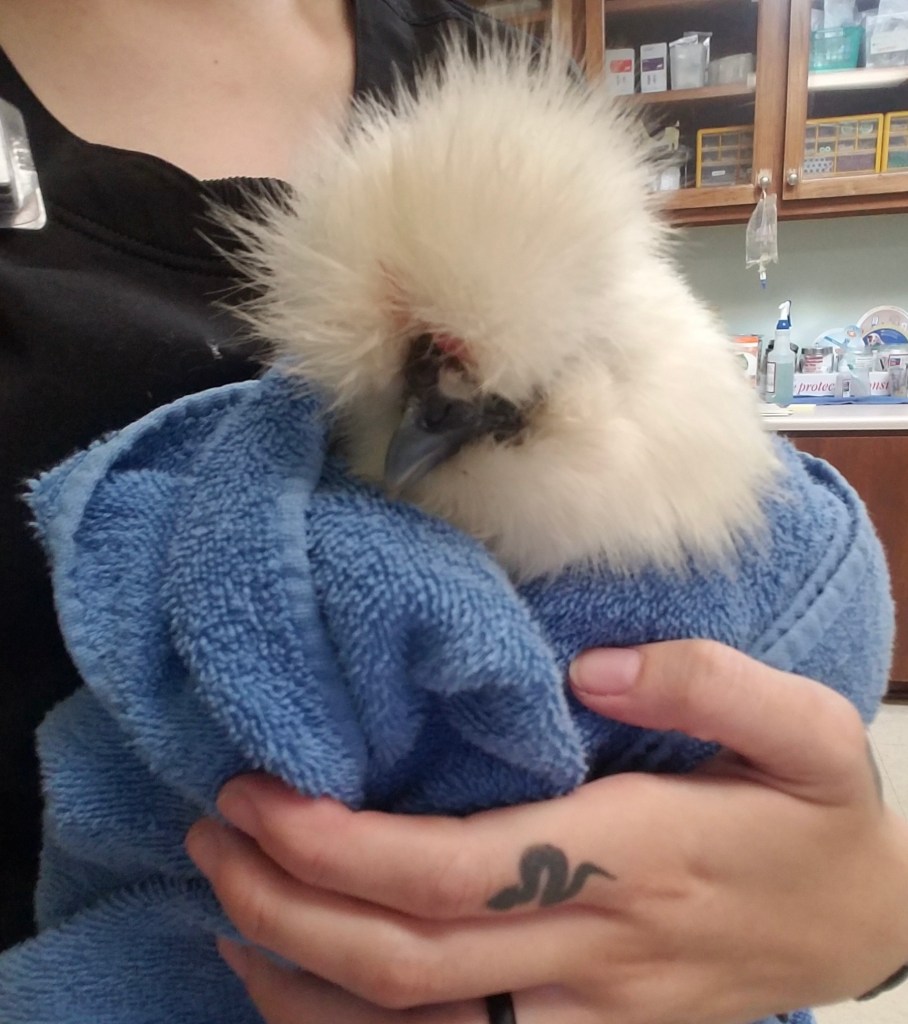
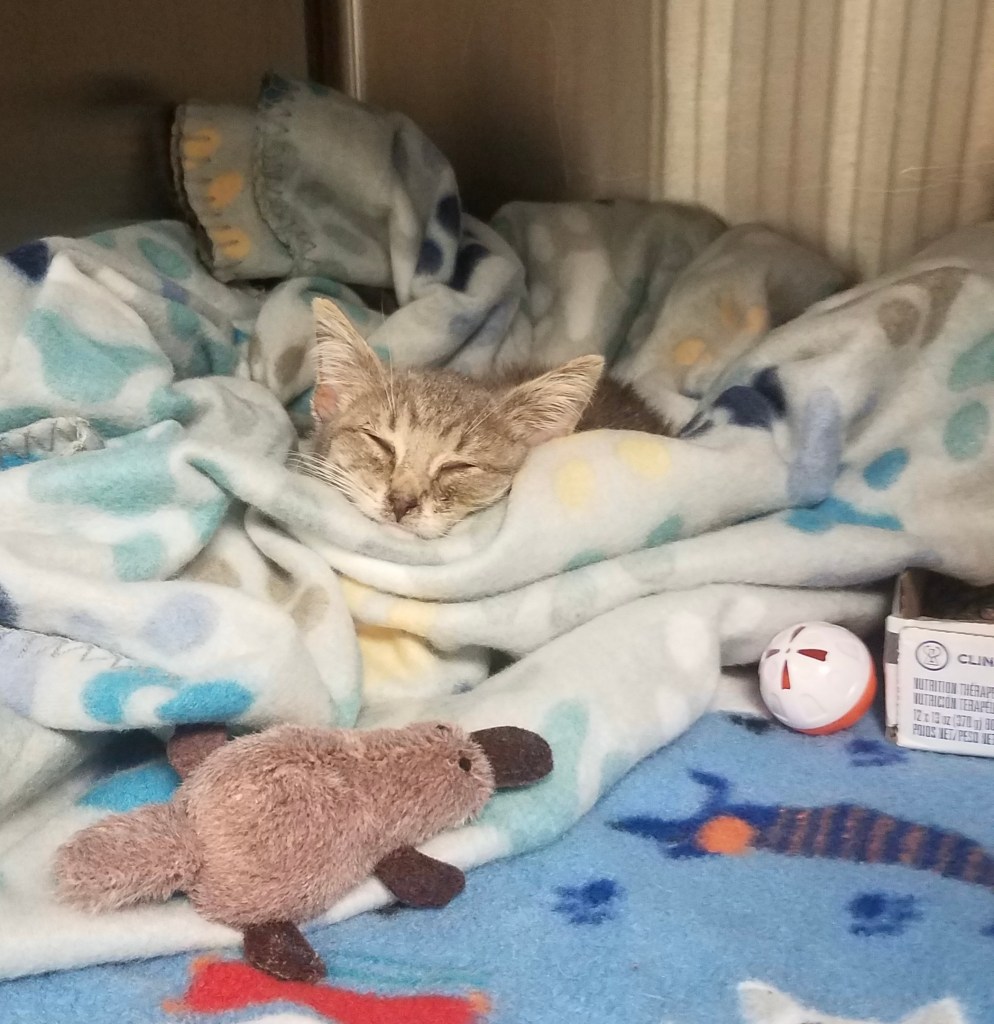
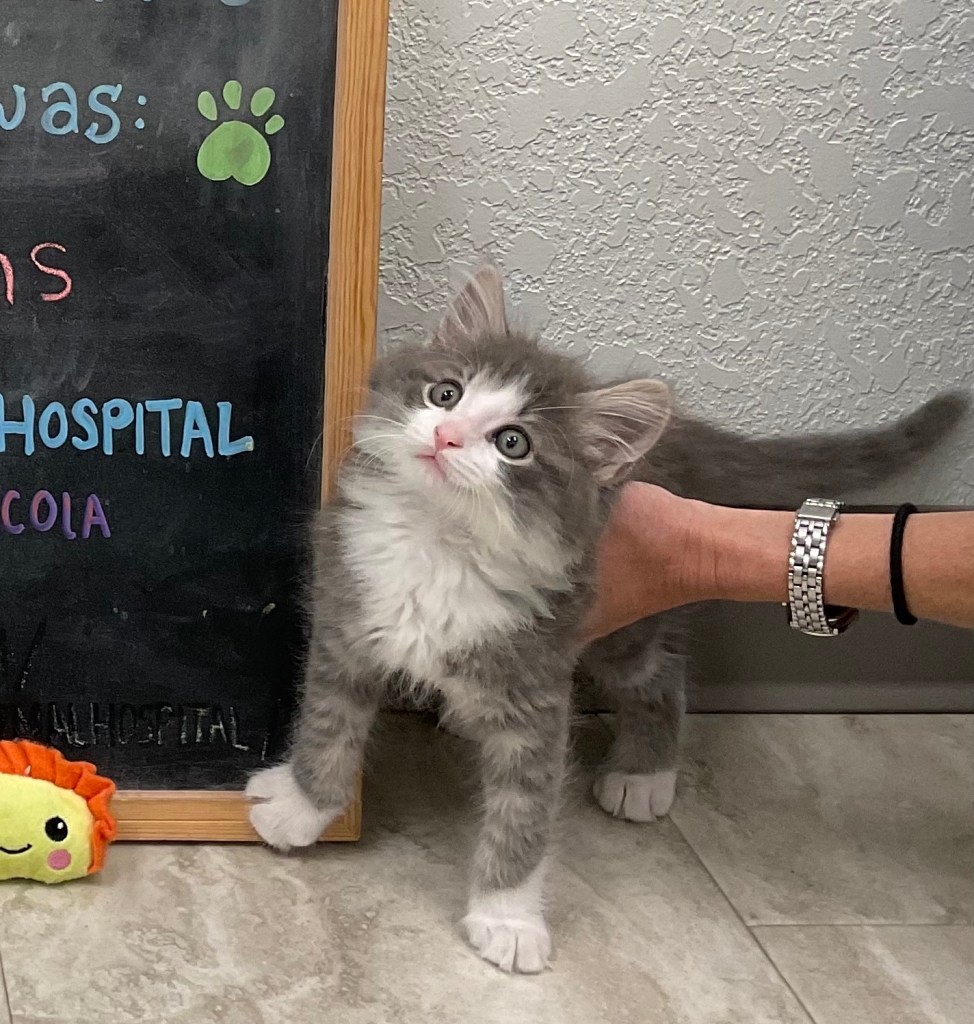
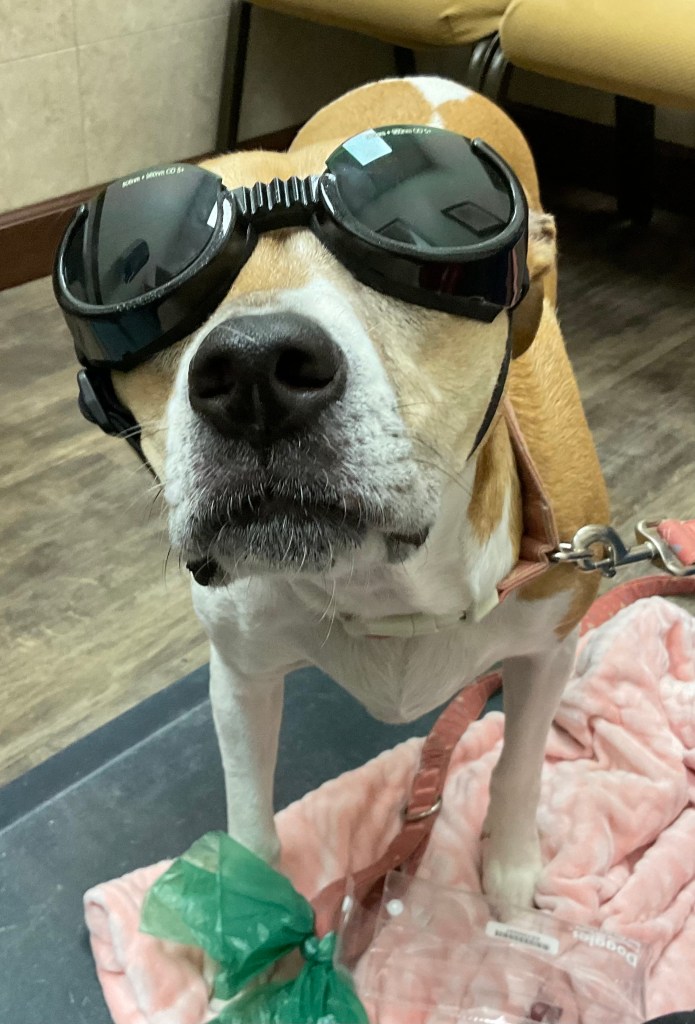
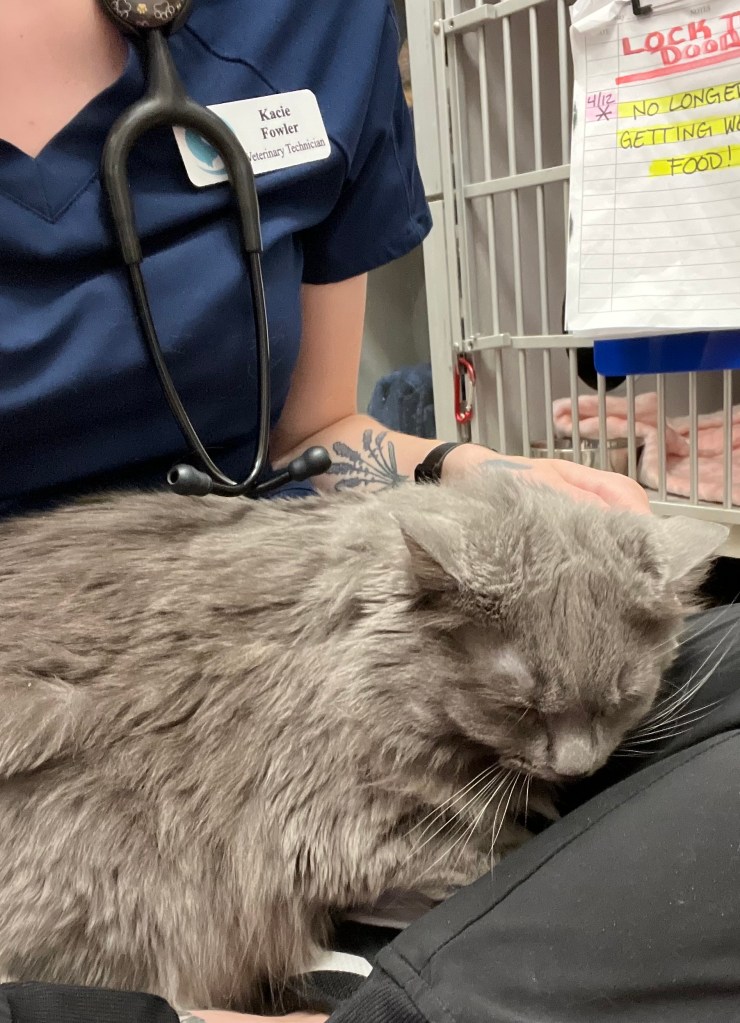
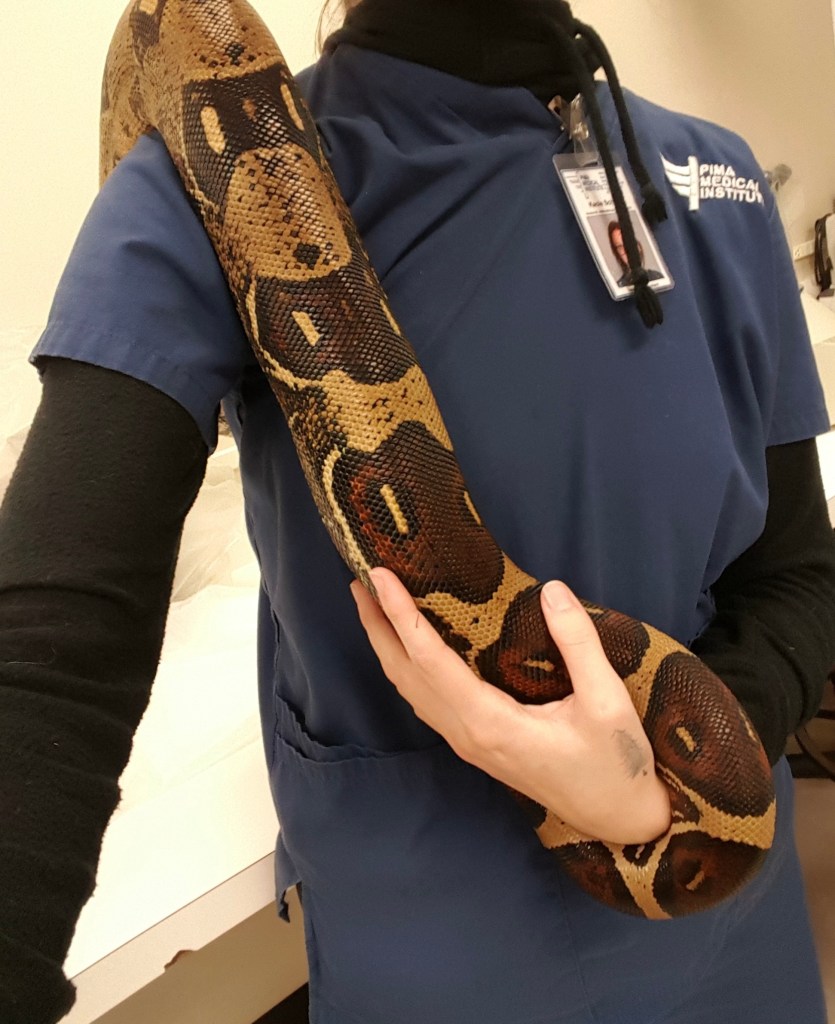
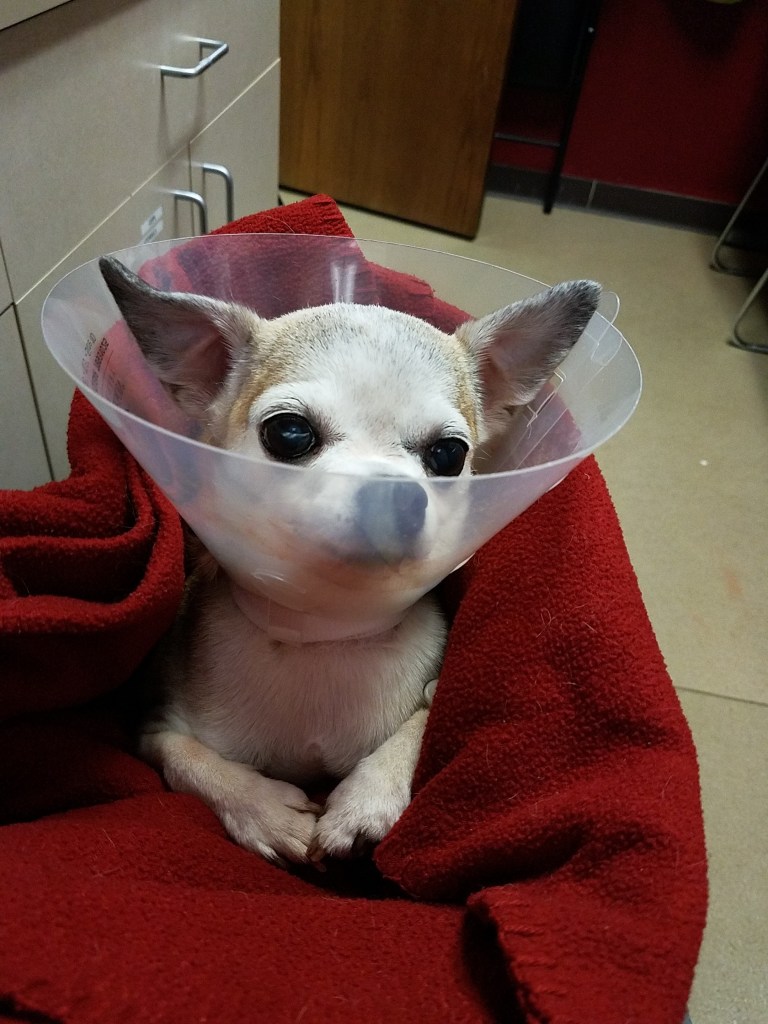
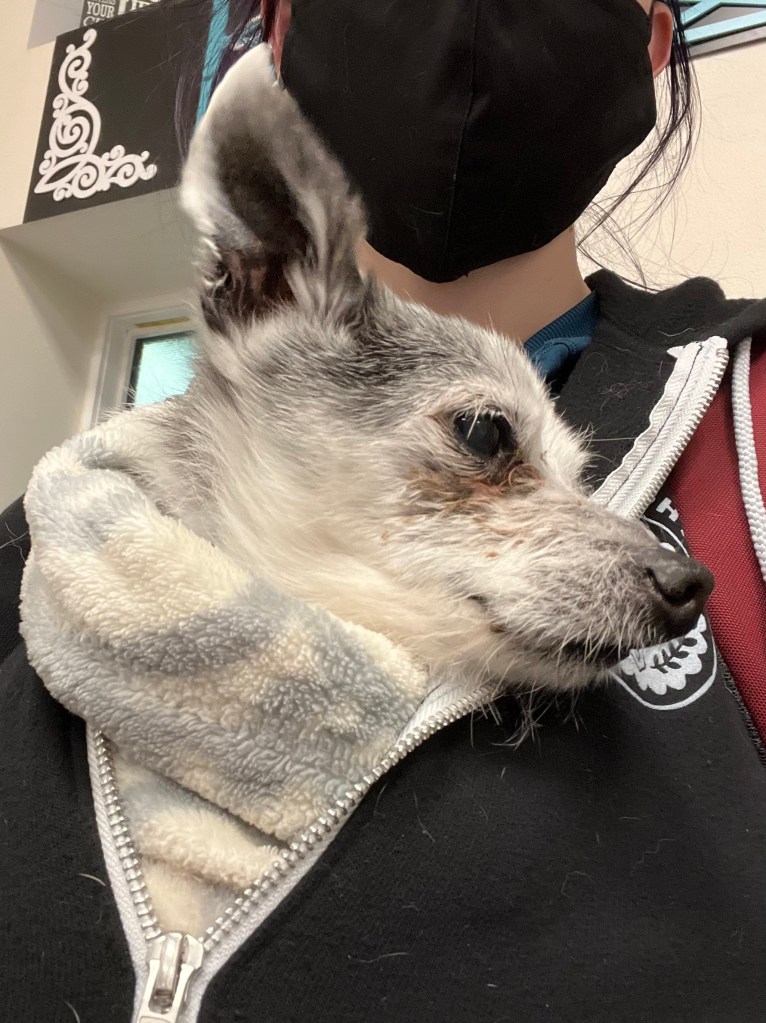
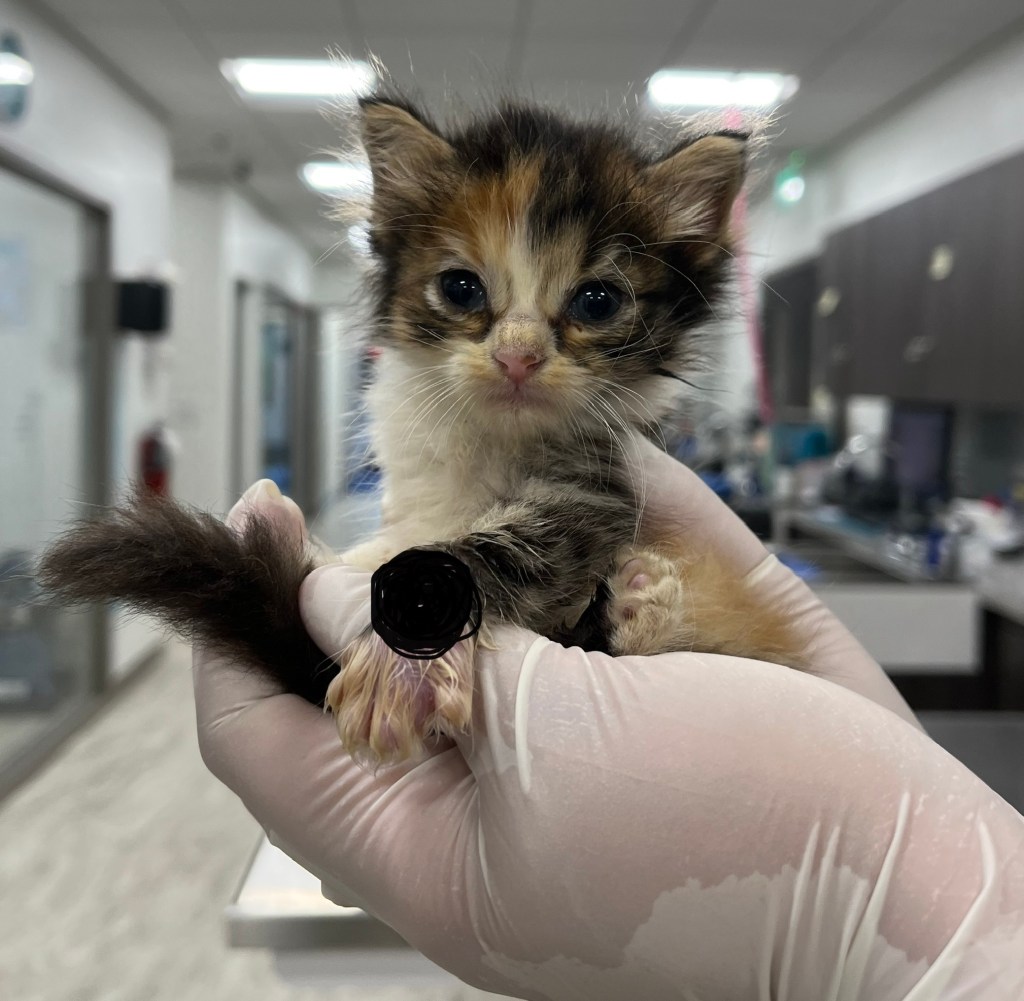
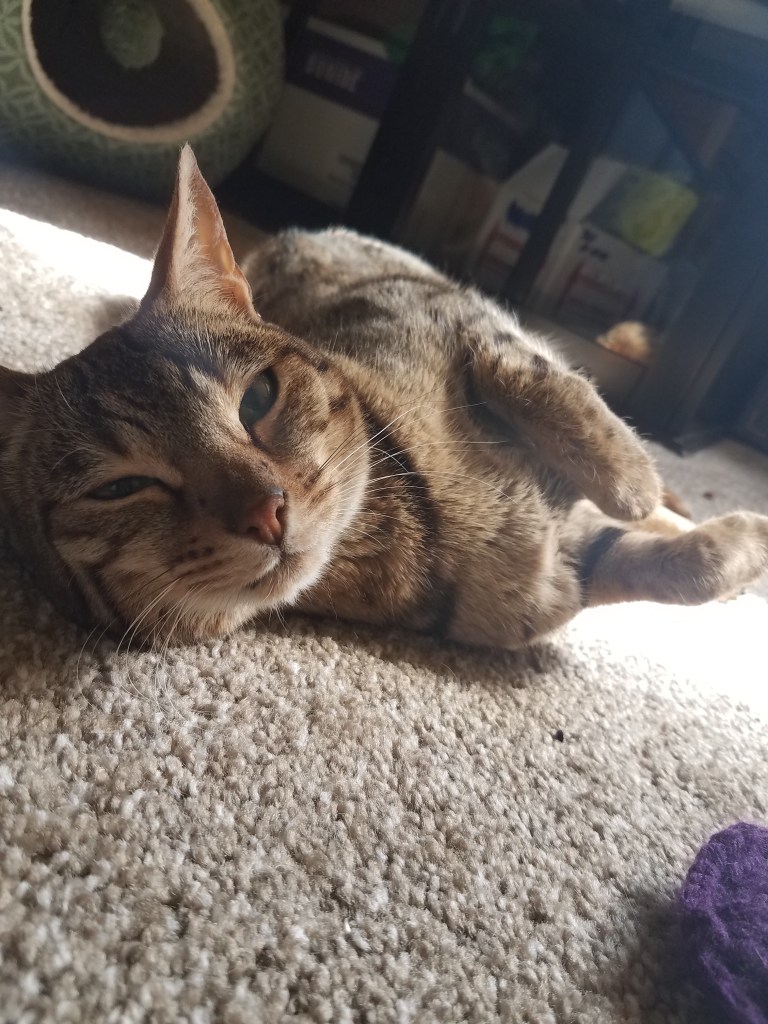
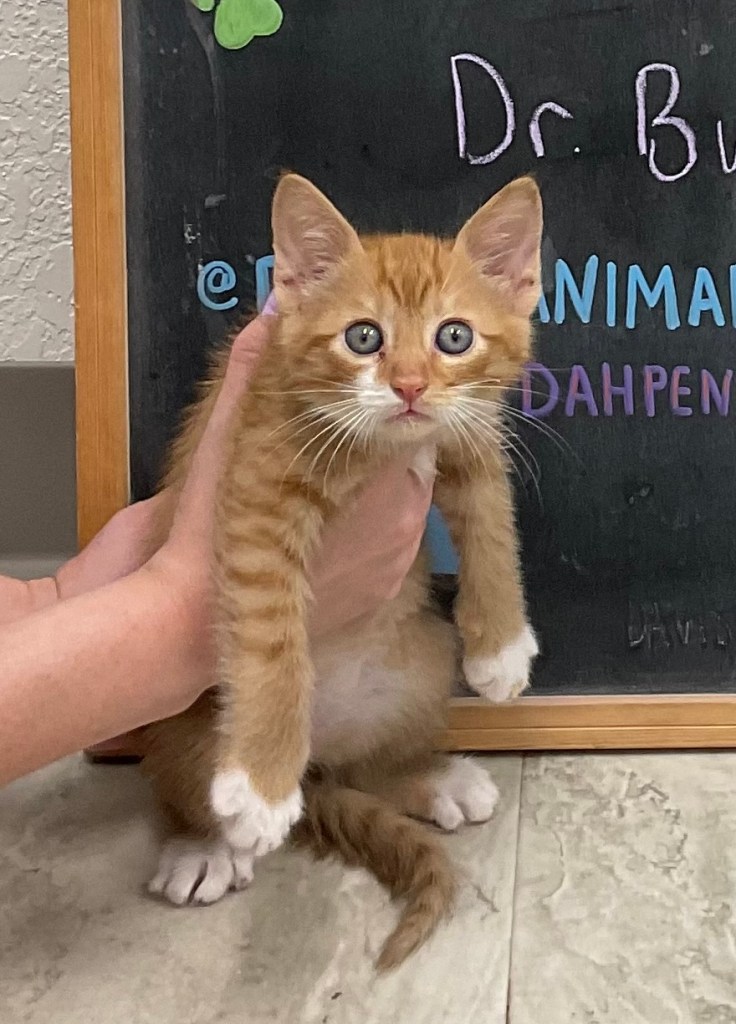
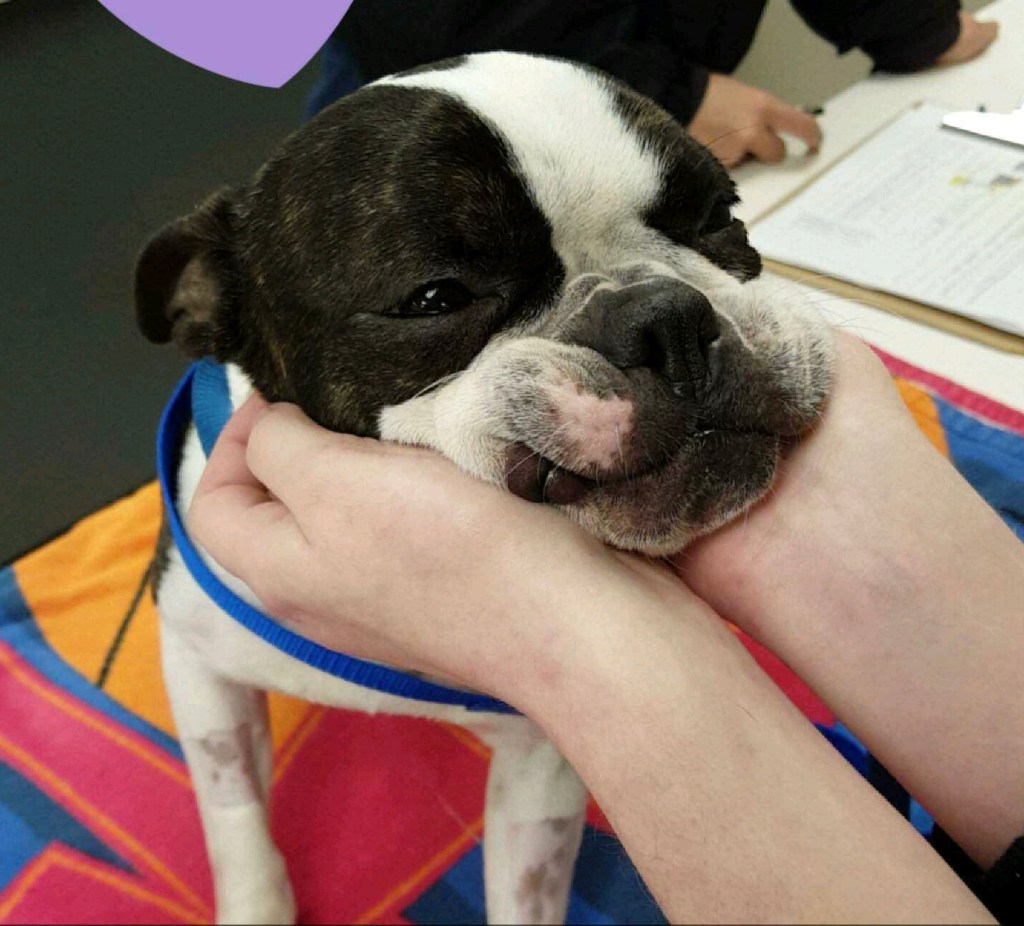
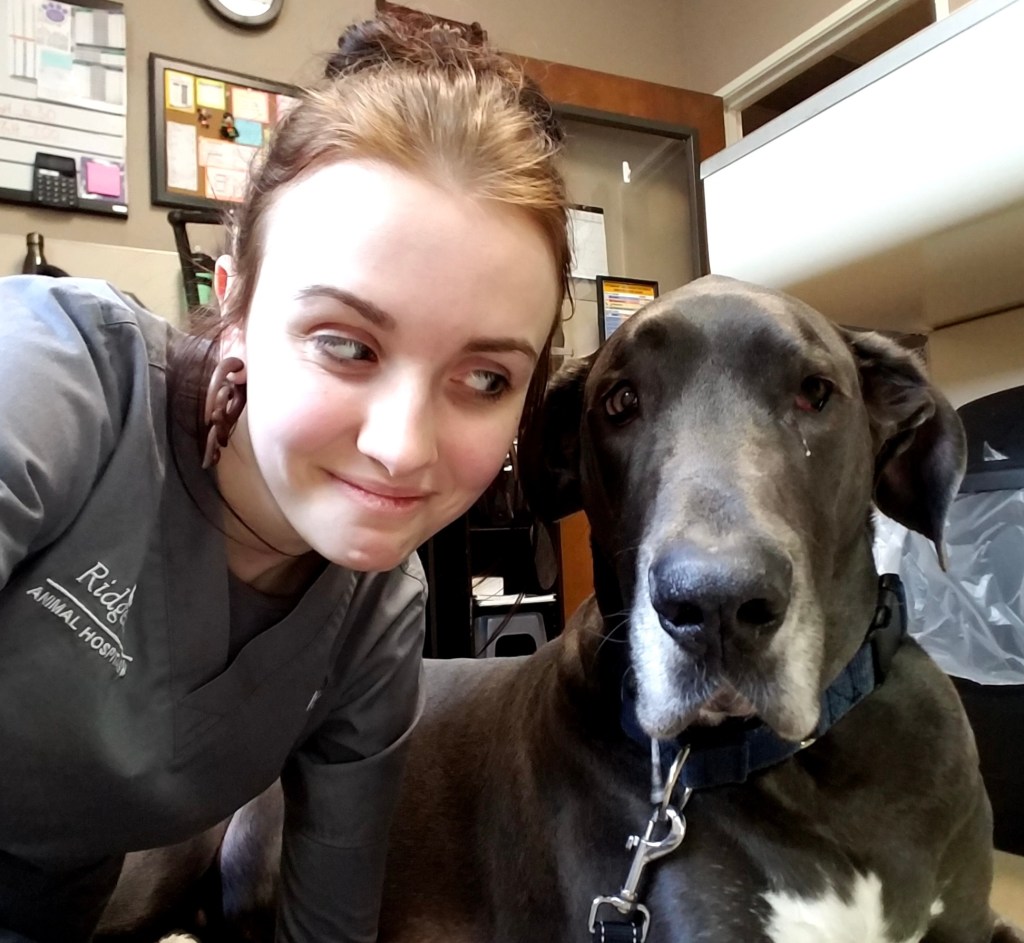
Here are some photos of some of my favorite days and patients:










 Write. Read. Repeat.
Leave a comment