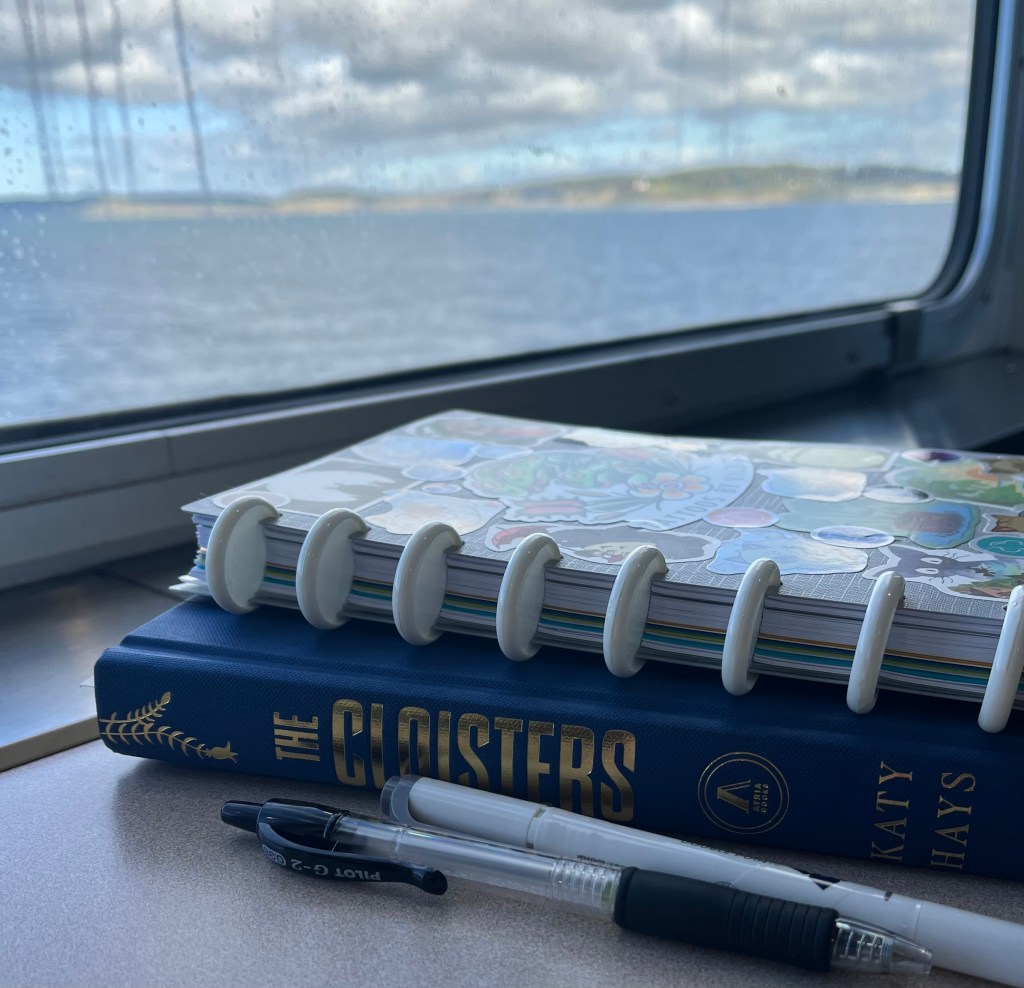
If you are a writer to any capacity, you will have no doubt heard the phrase “said is dead”. This is reference to the boring and repetitiveness of writing a dialogue where every line is literally ‘said’ from one character to the next.
In our current day, where time seems to be the most precious commodity, among both the young and the old, packing as much information you can into every sentence is vital. This is a main point in advertising and social media posts, but is also of importance in book writing/storytelling.
Writers are urged to have direct, descriptive, and concise language when writing their stories. We all love a good behemoth of a book that could be used as a self-defense weapon, however, you want every word in your book to count, no matter it’s size.
While I do not fully think ‘said is dead’, I do like to use more creative adverbs in it’s place. I think the main point of ‘said is dead’ is to encourage writers to work a little harder and even perhaps expand their vocabulary, in order to create a more contextualized experience for their readers.
I find in my own writing, that using an adverb in place of ‘said’ helps to create better flow and often a place to hold more emotions, actions, and sometimes hint at foreshadowing. By replacing one word, you can create a whole new feel to the scene you are setting and interject personality traits of your characters.
Now, I am not saying to never use ‘said’ in your writing. I still use the verb in my own writing. It is a matter of when and where you place it, but most importantly, how often you use it. In the actual dialogue between characters, it is appropriate to use ‘said’, as in -“John said you knew.”-, where as -“John whispered you knew.”- would just be strange without proper context. A good example of using ‘said’ outside of dialogue looks like, -That’s all he said to me before he left.-
I often find that because ‘said is (mostly) dead’, the feeling of the word has changed, becoming almost more impactful if used correctly. In the sense that it is so neutral, that the lack of emotion in the word can also deliver a punch. If your character is bleeding out, hoping that the love of his life tells him that she loves him just before he dies, and she simple ‘said’ she does, then the lack of declaration, outburst, and exclamation in itself can help shape the feel of the writing in a dramatic scene.
So, do you think ‘said is dea’ or do you still use the verb to some capacity in your writing?
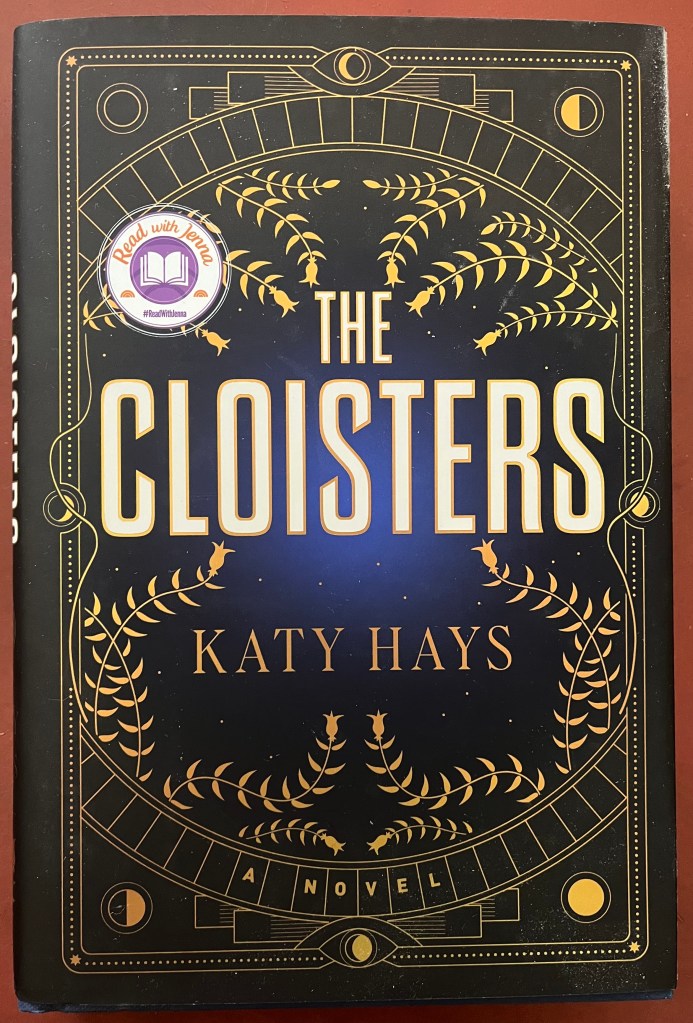
READING UPDATE
About half way through The Cloister by Katy Hays and while the premise really grabbed me, I am borderline unimpressed so far. I am not the type to quit reading a book, especially halfway through, but if things do not pick up soon, it will be a bit of a drag to finish.
This is the book that actually inspired this post as the over use of the word ‘said’ at the end of most of the dialogue is killing me.
OTHER UPDATE
I have started an Instagram account for my blog @everything.with.nothing so check that out for more frequent updates.
Thanks for reading.
 Write. Read. Repeat.
Leave a comment